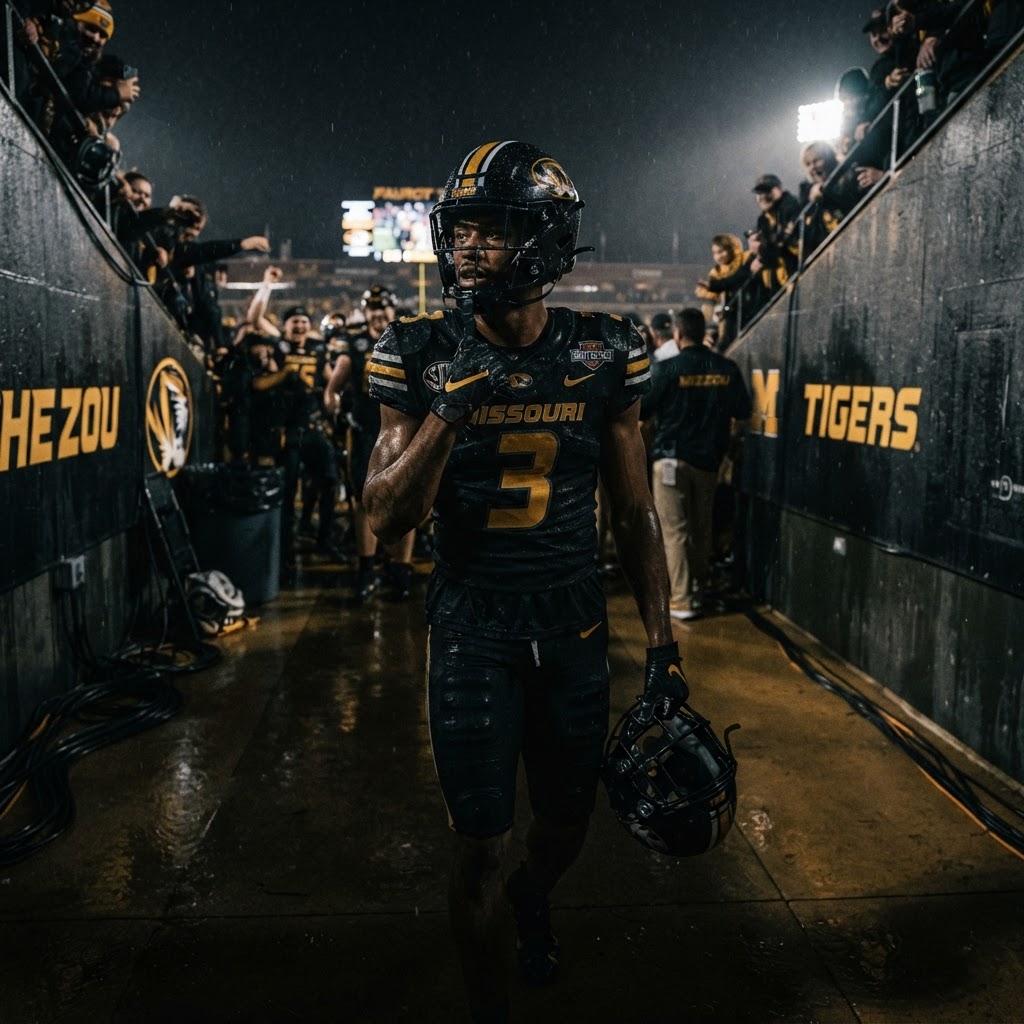
Building on Momentum: How Eli Drinkwitz is Shaping Missouri's 2026 Trajectory
As the Tigers navigate stadium renovations and staff shifts, the foundation for a successful season is taking firm hold in Columbia.

As we reach the heart of the Spring Ball & Recruiting 2026 season, the atmosphere around the Missouri Tigers remains charged with purpose. Under the steady guidance of head coach Eli Drinkwitz, the program is utilizing this period to solidify its identity despite the absence of a traditional spring showcase due to ongoing Memorial Stadium construction.
The momentum heading into the late summer is anchored by clarity at the game's most critical position. Following an intense spring competition, Austin Simmons has officially been named the starting quarterback for the 2026 season. His development, paired with the strategic oversight of new offensive coordinator Chip Lindsey, represents the core of the Tigers' tactical evolution.
With a roster reinforced by returning contributors like Cayden Green, Jamal Roberts, Nicholas Rodriguez, and Brett Norfleet, the team is well-positioned to move past the frustrations of the 2025 postseason. The focus for Drinkwitz and his staff now shifts to ensuring the depth behind Simmons—including Matt Zollers—is ready for the challenges that lie ahead when the season officially arrives.
Published 3 months ago
Staff
Staff writer for SEC Saturday Wire covering college sports.
Process Notes & Methodology
The angle highlights internal stability and strategic growth during a period of transition. It focuses on how Drinkwitz is successfully managing the team's direction despite the external distraction of stadium renovations.
I used the current calendar period of Spring Ball & Recruiting 2026 and the context of stadium construction to frame a narrative of resilience and forward focus.
The body integrates the naming of Austin Simmons as QB1 and the arrival of Chip Lindsey as the offensive coordinator to establish the narrative of progress. It also acknowledges the core returning starters to balance the losses suffered in the offseason.
The conclusion pivots toward the upcoming competitive season, emphasizing the internal preparation of the QB room as the primary engine for future success.
See something wrong? Fix it.
We're the first crowdsourced college football site. Submit corrections — our editors review every one.